
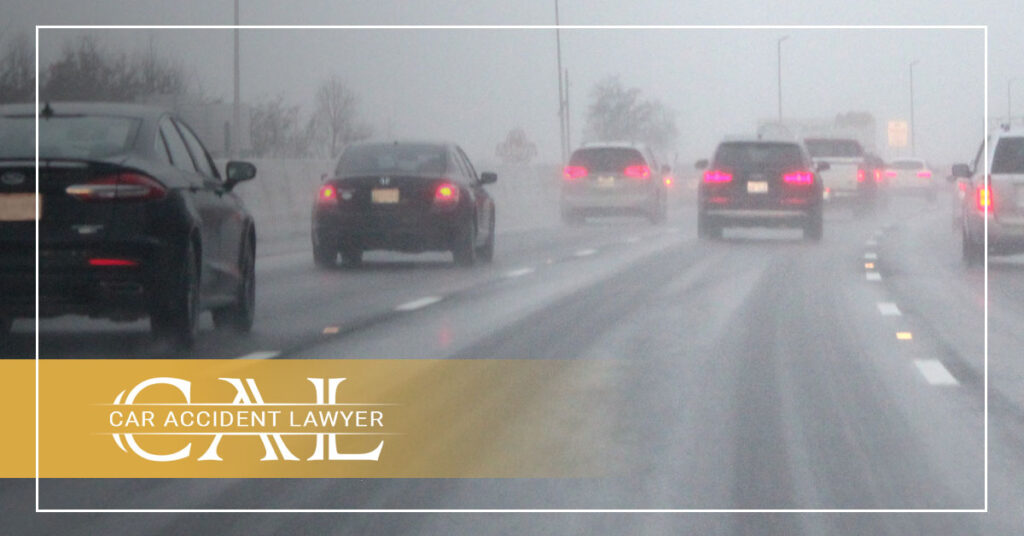
Car accidents in Tampa don’t only happen because someone was reckless or distracted. Very often, weather conditions play a major role in how crashes occur and how liability is assigned afterward. From sudden afternoon downpours to slick roads and reduced visibility, Florida weather creates unique risks that drivers are legally expected to handle responsibly.
Understanding how weather conditions factor into liability in Tampa car crashes is critical if you’ve been injured and are facing insurance adjusters who may try to blame the storm instead of the driver who caused the crash. In Florida, bad weather does not excuse careless driving, and the law makes that clear.
Tampa’s Weather Creates Predictable Driving Hazards
Florida drivers are no strangers to unpredictable weather. In Tampa, sudden storms and environmental conditions routinely affect road safety, especially during peak travel hours.
Heavy Rain and Wet Pavement
Tampa experiences frequent, intense rainstorms—often with little warning. Rain reduces tire traction, increases stopping distances, and creates slick road surfaces, particularly when oil residue mixes with water. According to the National Highway Traffic Safety Administration, wet pavement is one of the leading contributors to weather-related crashes nationwide.
Because these conditions are common and foreseeable, drivers are legally required to adjust their behavior accordingly.
Reduced Visibility From Rain and Fog
Heavy rain can drastically reduce visibility, making it difficult to see lane markings, traffic signals, pedestrians, and stopped vehicles. Fog—especially near waterways or in early morning hours—poses similar dangers. Florida law expects drivers to slow down and use headlights when visibility is compromised.
Standing Water and Hydroplaning
Poor drainage and sudden rainfall can cause standing water on Tampa roadways. Hydroplaning occurs when tires lose contact with the road surface, causing drivers to lose control. While hydroplaning may feel unavoidable, it is often linked to excessive speed for the conditions, which can establish liability.
Bad Weather Does Not Automatically Eliminate Liability
One of the most common myths surrounding weather-related accidents is that no one is at fault because “the weather caused it.” In reality, Florida law evaluates how drivers responded to the weather, not whether the weather existed.
Florida’s Duty of Reasonable Care
All drivers in Florida have a legal duty to operate their vehicles with reasonable care under the circumstances. This duty increases when conditions are dangerous. Drivers are expected to:
- Reduce speed during rain or storms
- Increase the following distance
- Use headlights during rain or low visibility
- Maintain control of their vehicle
Failing to take these precautions can constitute negligence—even during severe weather.
Weather Raises the Standard, Not Lowers It
Courts and insurers often view bad weather as a reason drivers should have been more cautious, not less. For example, a driver traveling at the posted speed limit during a heavy downpour may still be considered negligent if that speed was unsafe for conditions.
Florida’s Comparative Negligence Law and Weather-Related Crashes
Florida follows a modified comparative negligence system, which directly affects how compensation is awarded after a crash.
Under Florida Statutes §768.81:
- An injured person can recover damages only if they are 50% or less at fault
- Compensation is reduced by the injured party’s percentage of fault
- If a person is more than 50% responsible, recovery is barred
In weather-related accidents, insurers frequently argue that everyone shares fault. A strong legal analysis is often necessary to prevent unfair blame-shifting.
Common Weather-Related Accident Scenarios in Tampa
Rear-End Collisions in Heavy Rain
Rain increases stopping distances. Drivers who follow too closely often cannot stop in time, leading to rear-end collisions. Even in wet conditions, the trailing driver is typically presumed at fault.
Hydroplaning Accidents
Drivers who lose control due to hydroplaning may still be liable if they were traveling too fast for the conditions or had worn tires. Vehicle maintenance and speed are closely examined.
Multi-Vehicle Pileups in Low Visibility
Fog or heavy rain can cause chain-reaction crashes. Liability may be shared, but drivers who fail to slow down or use headlights can bear greater responsibility.
Intersection Accidents During Storms
Failure to yield, running red lights, or misjudging distances during storms often results in serious intersection collisions, especially in Tampa’s high-traffic corridors.
How Insurance Companies Handle Weather-Related Claims
Insurance companies often use weather as a defense strategy. Common tactics include:
- Claiming the accident was unavoidable
- Arguing shared fault due to conditions
- Minimizing injuries by blaming road conditions
- Delaying investigations until evidence degrades
Understanding how insurers evaluate liability during storms is essential to protecting your claim.
Evidence That Matters in Weather-Related Car Accident Claims
Strong documentation can make or break a weather-related injury claim. Key evidence includes:
Police Reports
Officers often note weather, road conditions, and visibility, which can support or undermine an insurance defense.
Weather Data and Reports
Official weather records can establish rain intensity, timing, and visibility conditions at the moment of the crash.
Vehicle Damage and Scene Photos
Photos showing skid marks, standing water, vehicle positions, and road conditions are extremely valuable.
Witness Statements
Eyewitnesses can describe speed, driving behavior, and whether drivers adjusted appropriately.
Traffic and Dash Camera Footage
Video evidence can clearly show whether a driver was driving recklessly despite weather hazards.
Mistakes That Can Hurt a Weather-Related Accident Claim
Many injured drivers unintentionally weaken their own cases. Common mistakes include:
- Admitting fault at the scene
- Assuming the weather makes the accident “no one’s fault.”
- Failing to seek medical care promptly
- Giving recorded statements to insurers without legal guidance
- Waiting too long to document road or weather conditions
Avoiding these pitfalls can significantly improve your chances of fair compensation.
How a Tampa Car Accident Lawyer Can Help
Weather-related accidents require careful legal analysis. A knowledgeable Tampa car accident lawyer can:
- Investigate how the weather contributed to the crash
- Obtain official weather and roadway data
- Counter insurance claims of unavoidable accidents
- Establish negligence despite adverse conditions
- Maximize compensation under Florida law
Legal representation is especially important when insurers attempt to use weather as a shield against responsibility.
Frequently Asked Questions (FAQ)
- Can weather alone be responsible for a car accident in Florida?
Rarely. Drivers are expected to adjust to foreseeable weather conditions.
- Is speeding still illegal during bad weather if I’m under the speed limit?
Yes. Driving too fast for conditions can still be negligent.
- Who is at fault if a car hydroplanes?
Fault depends on speed, tire condition, and driver behavior.
- Does rain change Florida’s rear-end collision rules?
No. The following drivers are still expected to maintain safe distances.
- Can multiple drivers share fault in a storm-related crash?
Yes. Comparative negligence often applies in weather-related accidents.
- Should I report weather conditions to the police after a crash?
Absolutely. Weather details can be critical to your claim.
- Will insurance companies deny claims because of bad weather?
They may try, but the weather does not automatically defeat a claim.
- How long do I have to file a claim in Florida?
Florida’s statute of limitations generally allows two years for injury claims, though exceptions apply.
- What if the other driver says the crash was unavoidable?
That claim must be supported by evidence. Many “unavoidable” crashes are preventable.
Car Accidents Can Happen Without Warning
If you were injured in a Tampa car accident during rain, storms, or poor visibility, don’t let the weather become an excuse for someone else’s negligence. Liability in Florida depends on how drivers respond to conditions, not whether conditions were perfect.
An experienced Tampa car accident lawyer can evaluate your case, challenge insurance tactics, and fight for the compensation you deserve. The sooner you act, the stronger your claim can be.